
March 2026
How to Help Nourish Families: Food, Support, and Respite When Life Gets Heavy
How to nourish families facing illness—through meals, presence, practical help, and Respite. Small support can feel like oxygen.
When a family is facing serious illness, the world doesn’t slow down. It speeds up.
The calendar fills. The phone won’t stop. Decisions multiply. And the smallest questions start to feel enormous—like “What should we eat tonight?” Not because food is complicated, but because everything is.
If you want to help a family in that kind of season, here’s something simple and true: Nourishment isn’t just what you bring. It’s what you remove.
It’s one less choice. One less errand. One less hour where they have to be the responsible one.
Start with food, but don’t make it a project
Most people mean well—and still accidentally add weight. Too many questions. Too many preferences. Too much coordination.
If you’re going to bring food, bring something that behaves like relief: warm, easy, forgiving.
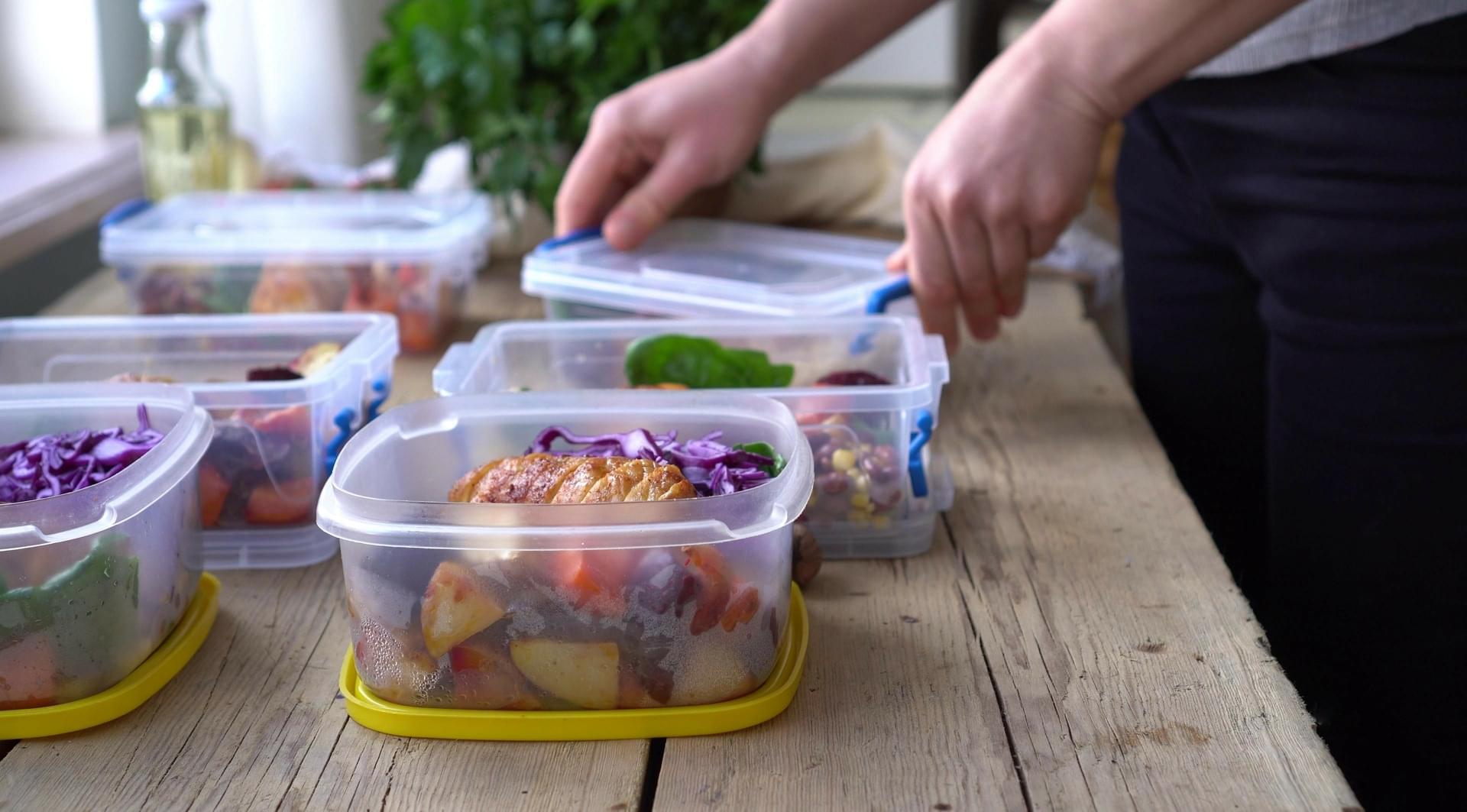
A soup they can reheat twice. A baked pasta that doesn’t mind sitting. Breakfast burritos they can pull from the freezer at 6 a.m. Snacks that can live in a car. Drinks that feel like hydration without a lecture.
And if you don’t know what they like, don’t overcomplicate it. Ask one clean question—“Any allergies or foods to avoid?”—and then take the decision-making back into your hands. That alone is a gift.
The real nourishment comes later

Here’s what most people don’t realize: the first week gets help.
Texts flood in. Meals appear. People show up with good energy and open hearts. And that matters—it’s beautiful.
But the hardest part often comes later, when the adrenaline wears off and the situation becomes the new normal.
If you want to nourish a family, mark your calendar for the moment when the crowd gets quiet. Two weeks. Six weeks. Three months. Send a message that doesn’t ask them to perform gratitude or provide an update—just something steady:
“I’m dropping off dinner on Thursday. No need to respond.”
Or
“I can run a pharmacy pickup today—just send the address.”
This is the kind of support that says, “You don’t have to hold all of this alone.”
Nourish the caregiver, because they disappear first

Caregivers have a special way of becoming invisible—especially to themselves.
They’ll say they’re fine. They’ll keep moving. They’ll keep being the engine. And engines don’t complain when they’re running hot… until they stop.
So if you’re close enough, don’t only ask what the patient needs. Ask what would protect the caregiver’s strength. Offer something specific. Not “let me know.” That phrase is polite, but it hands the work right back to the person who’s already drowning.
Try this instead: “I can cover an hour this Saturday so you can nap, walk, or eat in peace.” That’s nourishment. That’s oxygen.
Keep it normal when you can
Illness has a way of turning every conversation into logistics or fear. Sometimes, the most healing thing you can offer is an hour that doesn’t revolve around the diagnosis. A silly movie. A game. A quick coffee in the car. A short walk where nobody has to explain anything.
Not because you’re ignoring reality—because you’re reminding them they still belong to life.
Respite is nourishment, too

Some exhaustion can’t be fixed by a good meal. It needs a reset. A real exhale. A week where the nervous system can unclench.
That’s the heart of A Week Away: we help finance and coordinate Respite weeks for individuals and their loved ones facing life-threatening illness—so families can rest, reconnect, and gather the energy to keep going.
A Respite is nourishment in its purest form: rest without alarms, meals not eaten in the car, and memories not framed by hospital walls.
If your family is in treatment and needs a week of peace
If you or someone you love is facing a life-threatening illness, start here: Receive A Week Away.
If you’re reading as a supporter, you can give here: Support A Week Away.
Sometimes the most heart-healthy thing a community can do… is carry someone for a minute.